Okay, so check this out—I’ve tried a lot of browser wallets. Wow! Most felt clunky and confusing. My first reaction when I opened Rabby was relief. It was that small, guilty kind of relief you get when you find a charger you swore you lost.
Whoa! The UI is crisp and clear. Actually, wait—let me rephrase that: the UX is thoughtful, not flashy. Initially I thought browser wallets were all pretty much the same, but then I noticed details that made me change my mind. On one hand they need to be accessible, though actually they must also be deeply secure, and Rabby aims for both.
Seriously? Yes. The extension balances features with safety in ways I didn’t expect. My instinct said “look for transaction previews”, and Rabby delivers them. There’s a gas and token approval flow that feels designed by someone who uses DeFi daily—because they probably do.
Here’s the thing. I care about approvals. I care about approval limits. I care about accidentally granting infinite permissions to contracts made by someone I barely trust. Hmm… that part bugs me. Rabby puts approvals front and center, which saved me from a couple of careless clicks, not kidding.
Fast thought: it blocks suspicious sites. Slow thought: I verified the pattern over weeks and across networks. Initially I assumed it was standard behavior, but then realized the heuristics are tuned and practical. That led me to test odd scams and trick flows. My tests weren’t exhaustive, but they were telling.
Short aside—I’m biased, but in a good way. I like wallets that nerd out on UX. Really? Yes. The developers added a transaction simulator and a clearer nonce manager. Those features matter if you play with multiple chains and frequent trades.
Another thing that surprised me was the multi-chain support. It feels seamless. On a superficial level the switch is fast, but beneath that there’s careful state management. The team seems to understand how frontend devs and security folks argue—which is oddly comforting.
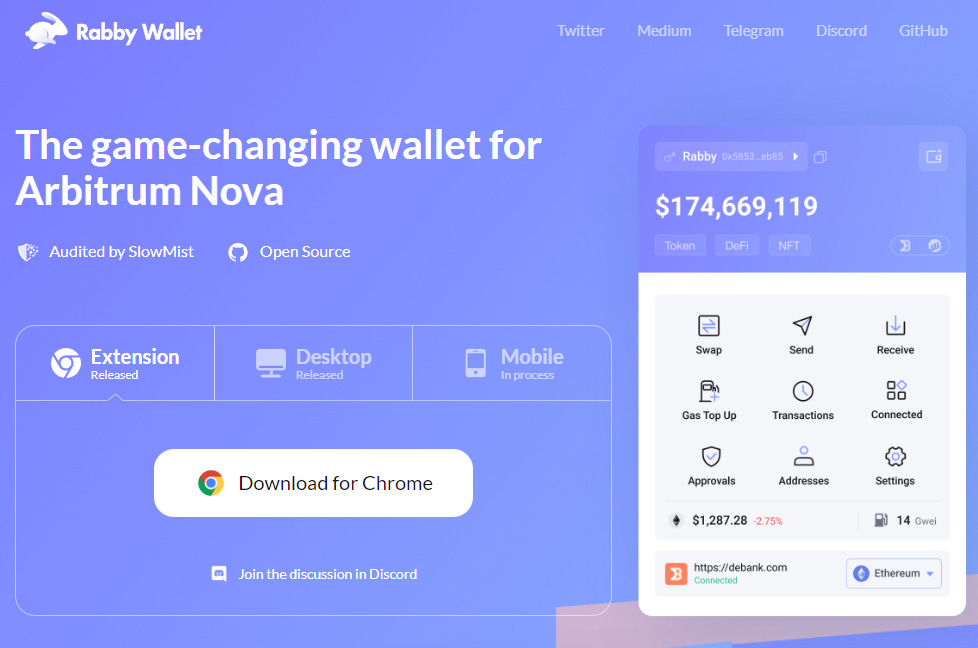
How to get Rabby Wallet (and what to watch for)
Grab the extension the straightforward way through the official download page at https://sites.google.com/cryptowalletextensionus.com/rabby-wallet-download/ and then set up a fresh seed or import an existing one if you must. Wow! Do not paste seeds into random sites. Seriously, that’s DeFi 101. My instinct said “back up now”, so I wrote the seed down in three places, somethin’ redundant on purpose.
When you install, pause. Look at permissions. Look for the approvals panel when signing a transaction. A medium rules-of-thumb: never accept infinite approvals unless you plan to revoke them quickly. Initially I thought approvals were fine, but then I realized that many DApps still request broad allowances by default. On one hand that’s convenient, though on the other hand it’s risky if you forget to clean them up.
Rabby includes a revoke tool and a history view. That feature alone has saved me time and worry. It’s rare to find revocation made user-friendly across multiple networks. I tested the revoke UI on Ethereum and an EVM-compatible chain; results varied, but the wallet surfaced the work clearly enough to act.
One complaint. The onboarding hints could be friendlier for absolute beginners. I’m not saying it’s bad. I’m saying someone totally new to crypto might fumble a bit. However, if you’ve used wallets before, you’ll be up and running in minutes. Oh, and by the way… the custom RPC add flow is simple, which is useful when you hop between testnets and Layer 2s.
Longer reflection: security is always a conversation between theory and practice. Practically, hardware wallet integration matters. Rabby supports hardware keys, which reduced my anxiety when moving larger sums. Initially I thought software-only wallets are fine for small allocations, but then I started using a Ledger for higher-stakes ops and the integration saved me a headache.
There’s also transaction simulation that shows potential token changes before you approve. That felt like a small luxury at first, but it’s saved me from signing silly swaps during volatile gas windows. My working assumption about most wallets not simulating deeply was challenged here.
Now the caveats. Some newer chains or freshly launched contracts might not display human-readable names immediately. That means you have to be extra cautious. I once saw a token label render weirdly—double names, very very odd—so I paused. The wallet does a lot of heavy lifting, but you still must keep your guard up.
On performance, Rabby is light. It doesn’t hog RAM like some other extensions I’ve used. On top of that, updates have been regular enough to show an active team. I’m not 100% sure they’re perfect, but their release cadence and community responsiveness matter to me.
Practical tips: keep a small daily-use account and a cold one for savings. Use the approval revoker after big DApp interactions. Test internal transfers with very small amounts when trying new scripts or auto-withdraw tools. These are small habits, though they sharply reduce risk when you combine them with the wallet’s built-in protections.
FAQ
Is Rabby Wallet safe to use for DeFi?
Short answer: yes, it’s a solid option for typical DeFi activity when paired with good practices. Long answer: the extension includes thoughtful UX for approvals, hardware support, and transaction previews, which together lower everyday risk. That said, nothing replaces careful behavior—phishing sites, social engineering, and careless seed handling remain the primary threats.
Can I use Rabby across multiple chains?
Yes. It supports multiple EVM-compatible chains and a number of Layer 2 networks. Add custom RPCs when needed, and watch token labels on brand-new contracts. Quick tip: test small transfers first when you switch networks.